Showing posts with label heirloom seeds. Show all posts

Sunday, January 13, 2013

January has been "Prep-uary" at our Place

We've been very busy this month with prepping-related projects.


  • Hubby Dear and I cleaned and organized our storage room. It had collected a lot of odds and ends and, frankly, it was becoming a bit of a dump. I inventoried our long-term food storage and came up with a long list of items I need to buy. We've used some things that we need to replace. According to the food storage calculators, our family now consists of four adults and two children (children 7 and up are "adults" for food storage purposes), which means that I also need to increase the amount of food we store in general. 


Once we cleared out the clutter, it became apparent that we had used A LOT
of our food storage and never replaced it.


We also have a lot of canned goods that need to be eaten and restocked. Rotate, rotate, rotate! 


We still have some of the onions we grew last year left. They are stored in cheap pantyhose, which works
pretty well to keep them fresh and mold-free. You'll notice that a few of them have sprouted, though!
  • Because of some health concerns that I have, I started following a Paleo diet back in December. I no longer eat grains, legumes, dairy, refined sugars, or refined fats. In other words, I can't eat most of our food storage! I hope that this way of eating will help resolve some of the problems I have as a result of chronic inflammation in my body, but it does provide a challenge to store food that meets the criteria of my diet. I'm brainstorming a list of Paleo-friendly foods to add to our storage and this is what I've come up with so far:  sprouting seeds, canned coconut milk, coconut oil, lard, nuts in the shell, and canned tuna and salmon. Anyone else out there who is both Paleo and a prepper? I'm curious to see how you handle this dilemma. 
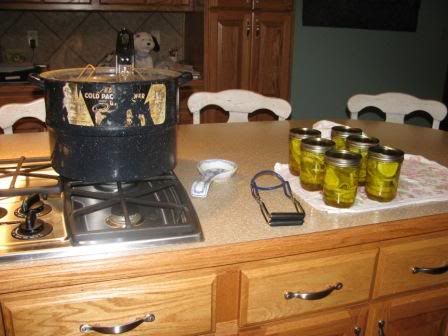
  • As I was organizing my storage room, I decided that my vintage, 1940s-era water bath canner had finally bit the dust. It is just too rusty and decrepit to use any more. Identical products on Amazon.com had very poor reviews - I guess they don't make granite ware like they used to - so I invested in a Victorio Stainless Steel Multi Use Canner.  This product can be used as either a water bath canner or steam canner and seems really sturdy. I've never steam canned before - have any of you? 
RIP, vintage water bath canner. You gave me (and others) years of good service.

  • Hubby Dear and I ordered our seeds for the spring and bought the components of our DIY seed starting set-up. I am excited to share with you our plans for the year in an upcoming post. It won't be long before we'll be sowing broccoli, cauliflower, and kale indoors. 
Seeds, glorious seeds! So much promise is inside these packets. 


  • Some friends of ours are downsizing due to job loss and health challenges. We bought a generator and some other homesteading paraphernalia from them, which served to help both of our families out. 


Our "new" 5500 W generator.

I did the math, and this generator will run one of our refrigerators and the furnace fan and that's it. It is definitely not a total solution to a long-term power outage, but it is a start. Now I need to stockpile some gas tanks, gasoline, and Sta-Bil.

Have you been celebrating "Prep-uary" at your house? Tell me what you've accomplished so far in 2013. :) 

Monday, July 23, 2012

A Learning Season

With the wildfires, persistent drought, and blazing heat over much of the country, this has been a hard summer for many. The farmers in my area are really suffering. Animals are dying and many folks' crops are a total loss.

Our garden and yard are feeling the effects of the heat as well. Thankfully, we do not have to depend on our garden for our living or our survival, but it is depressing to put so much time and energy into something and not reap the rewards.

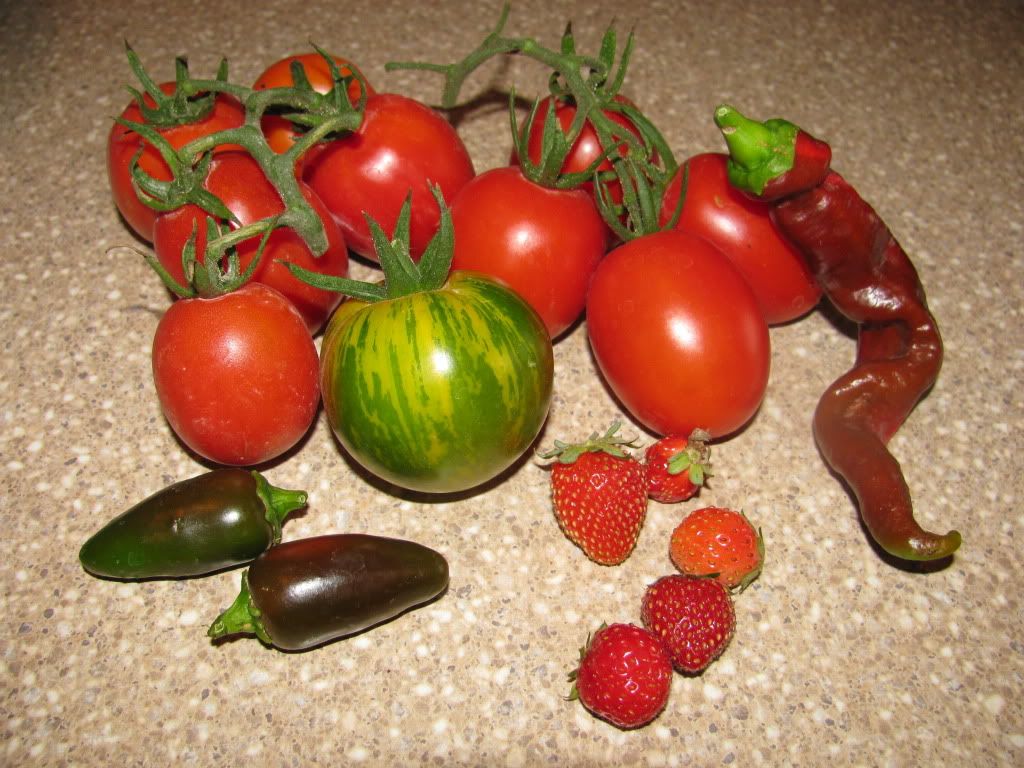
A handful of heirloom tomatoes, peppers, and strawberries from our garden. 

Even though our harvest has been minimal, it has been a season of learning for me. I've gleaned some wisdom from our challenges that I'd like to share with you. Feel free to chime in with what this season may be teaching you.

  • Don't have all your eggs in one basket. Diversify the crops you plant because you never know what will thrive in the unique weather and pest conditions of each year. 

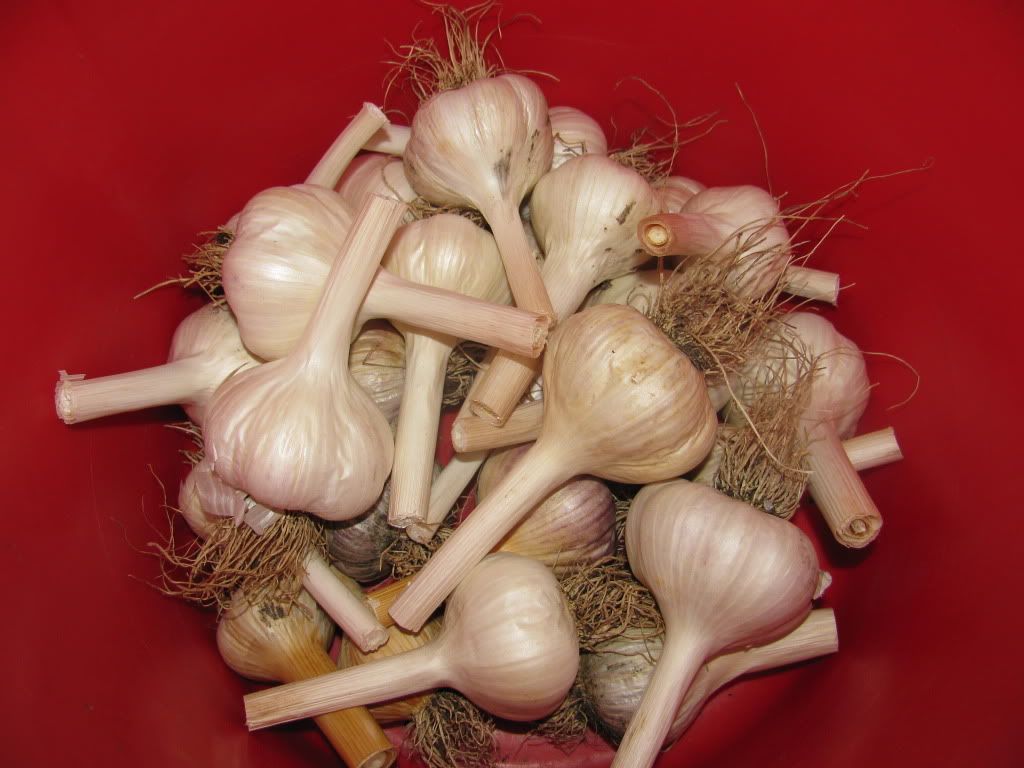
Garlic did very, very well for us this year

It's too bad you can't survive on garlic alone, because we did very well with that crop this year. We have plenty to eat fresh, dehydrate, and save to use as seed garlic for next year's crop. We also got an excellent cabbage crop (I made and froze lots and lots of bierocks). Our onions and blackberries did pretty well. We haven't harvested our potatoes yet, but they look to have done well. Everything else has struggled.

Hubby Dear and I are making a list of nutritious plants that have proven to do well in adverse conditions and are going to make sure they are part of our gardening plans. Cabbage, black oil sunflowers (to press for oil or use as poultry food), and potatoes are on the list so far. 

  • Diversify your preps. Don't just stock up on a year's worth of food for your family and think you're set. Learn how to produce your own food now because, as you can see from our example, there's no guarantee of success even after years of experience. 

  • If you can, diversify even further and get some livestock. 

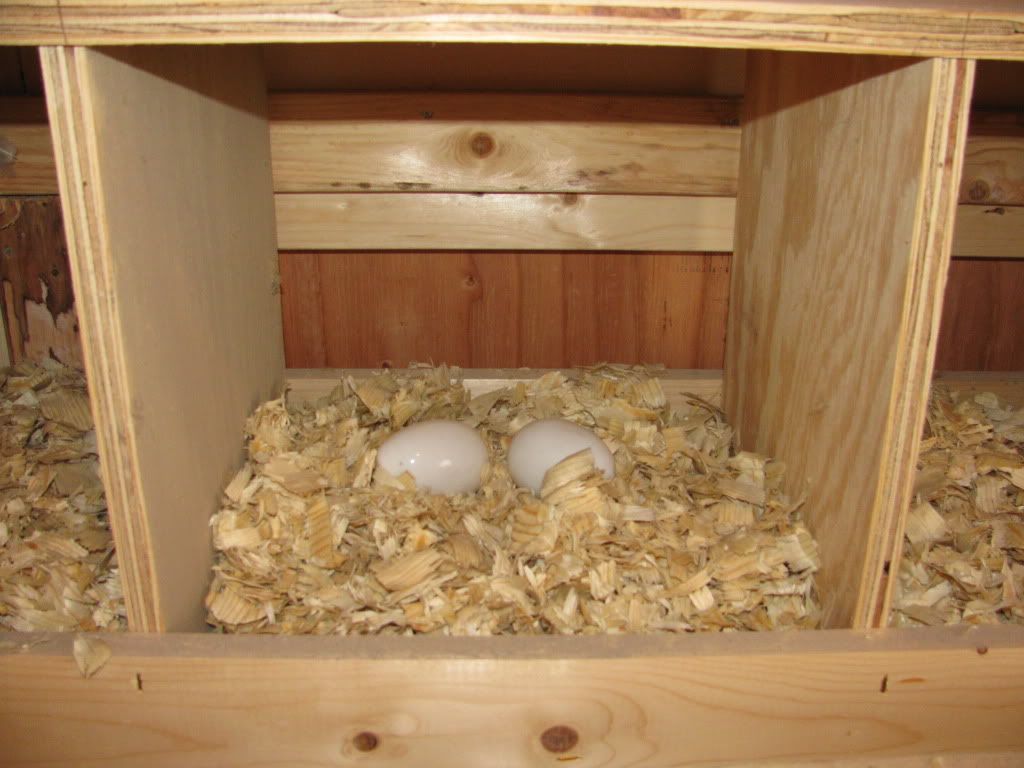
These are dummy eggs I put in the nest boxes to encourage my girls to
lay there. They should start laying soon. 

If you've never done it before, you'd be surprised how easy it is to keep chickens. If you maintain them properly, they don't have to be smelly or noisy and they truly are less work than a dog!  I can't say the same for turkeys and ducks, but they aren't too bad. If it's legal in your area, start with chickens, the "gateway poultry". 


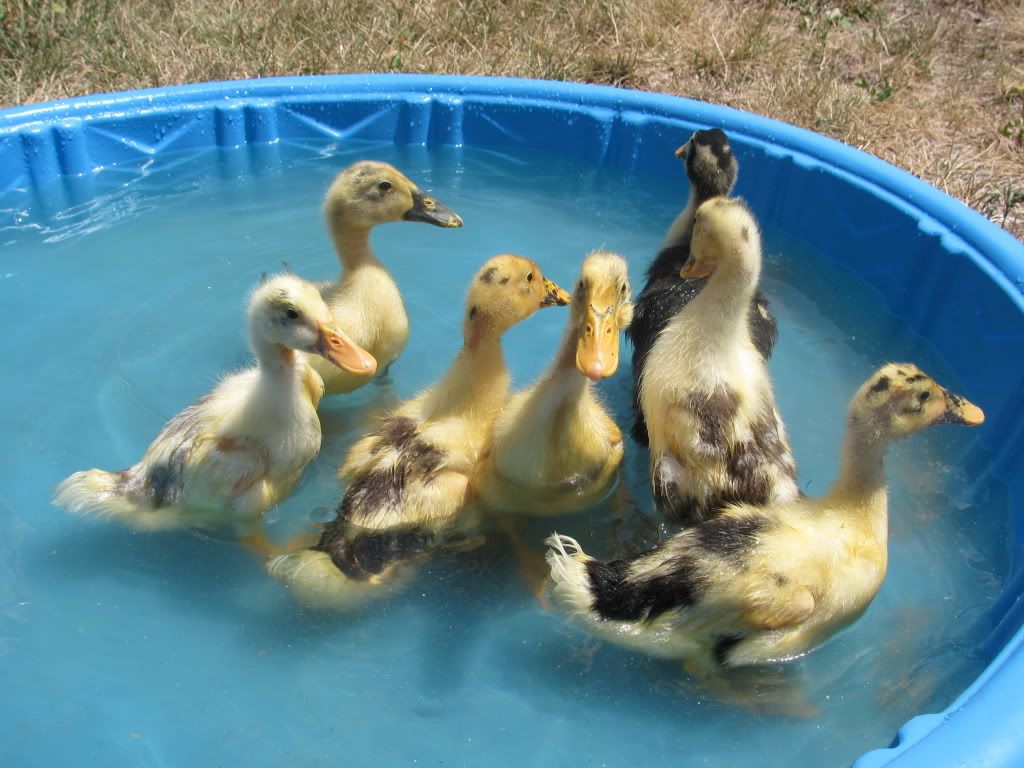
Ducks grow fast. Our ducklings are two weeks old and will be nearly full grown in a
few short weeks. Ours are pets, but Ancona ducks are excellent
layers and table birds and are capable of subsisting primarily on forage.
      
  
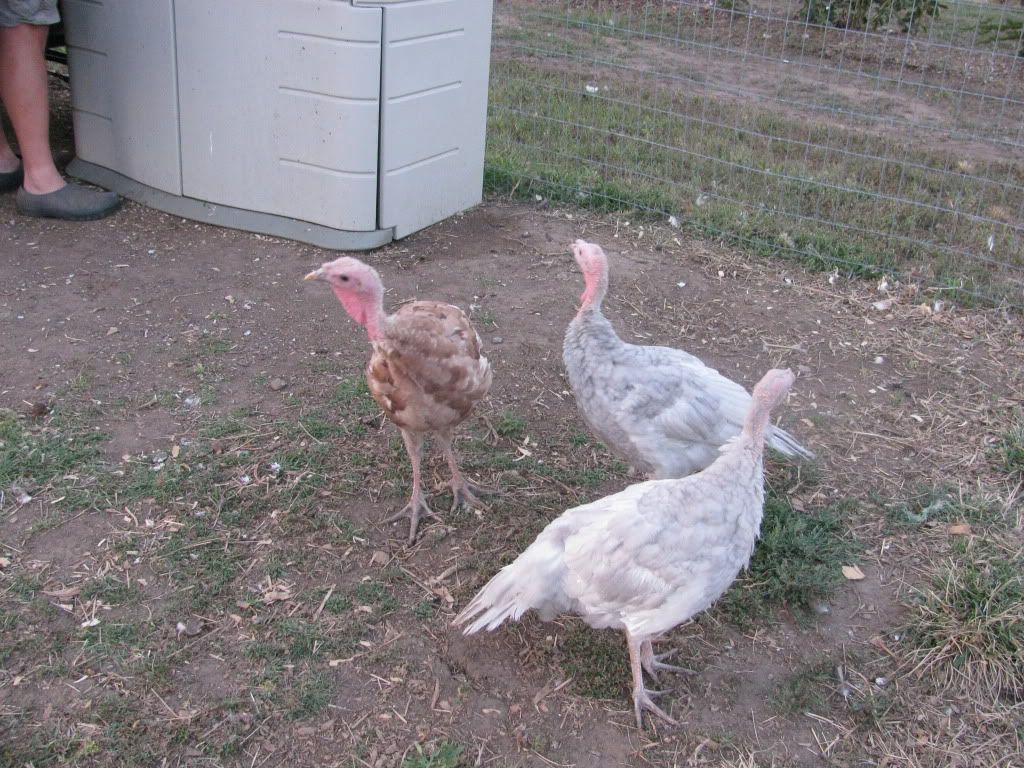
Three of our 10 week old turkeys.


  • Speaking of livestock, despite your best efforts, every now and then one of your animals will get killed. One day one of our chickens (the Easter Egger named Lita Ford) just disappeared. There was no sign of a struggle (feathers, blood, etc.) or a hole under the fence. She was just gone. The next day we saw four of our other chickens fly out of their run, so we now think that Lita probably flew out and was snagged by a coyote or dog. We're working on upgrading our run yet again so this won't happen. More trouble, more money. 

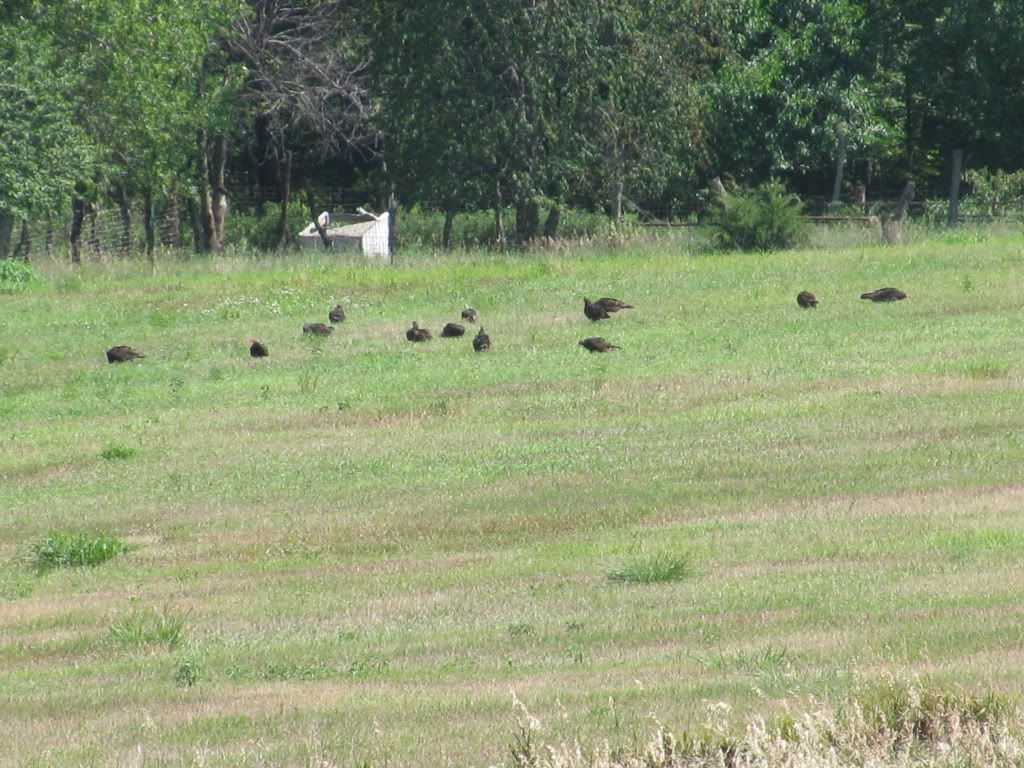
The day we noticed our chicken gone, there were lots of raptors in the skies above our homestead
and these big birds (I didn't think they were turkeys - buzzards, maybe?) in the pasture next door.
I didn't investigate further. :(


  • Be prepared for a multiple years of hardship. Our hot and dry weather started last July. Since then, we have had unrelenting heat and drought. That's kind of nice when January feels like March, but it has real consequences. You need to have a plan to overcome it. I'm starting to think that one year of food storage isn't really enough for our family. I don't know where I'll come up with the storage space for all the food I intend to store, but I'll just have to figure it out. 

  • Buy more seeds than you think you'll need. Especially when the weather is wonky, you'll need extra seed. We had to replant many of our crops and regret not buying more seed during our big seed purchase last winter. Seeds are cheap, so stock up ahead of time! 
Oh, and those cans of survival seeds? They aren't enough. Yes, I have one that is supposed to grow a huge garden of heirloom vegetables. I don't regret that purchase, but you can bet I'll be getting some backups in place. What if you had to replant your survival garden and didn't have the seeds to do it?  

  • Be able to identify common garden pests and have remedies on hand ahead of time.  Plants are especially susceptible to pests when they are under stress from heat and lack of water. We have had our first encounters with squash vine borers and aphids and, thankfully, we had items stored that could treat them. I like the book Good Bug Bad Bug because it has photos of common garden insects and suggests organic treatments for each kind of pest.

  • Spend time in your garden. Observe your plants carefully and act early if you notice a problem.

  • You can never have enough water stored. Our rural water district is getting way too much of Hubby Dear's paycheck because we are irrigating non-stop. If we had invested in rain barrels, we could be using stored water. Even the little bits of rain we've been getting add up to a surprisingly large amount when you collect everything that falls on your roof. 

What have you learned during this season? 

Friday, December 30, 2011

What This Closet Prepper Got for Christmas

I am still "in the closet" about my prepping to my family and friends. I prefer it that way due to OPSEC concerns and to avoid the inevitable taunting. My dad and brother were discussing rifles at our family Christmas gathering. When I declared my interest in getting a rifle for shooting varmints, everyone got a look on their face like I had begun singing "Ta-ra-ra Boom-de-ay" and performing the Can-Can right there in the living room. I hadn't even mentioned anything about zombies! Yes, indeed, it is much easier for me just to stay under the radar.

However, that doesn't mean I can't receive prepping-related presents from my relatives for Christmas! I have two Amazon.com wish lists. One is public and has items that even a supposedly wimpy, squeamish person like myself would want. My other wishlist is set up to be private. I use it to keep track of more "hardcore" prepping items that I want to remember to add to our gear but do not want to let the whole world know about.  I was fortunate enough to receive a selection of items from my public wishlist and I thought I'd briefly review each. You may want to add these to your own wish lists!


1. A Coffee/Spice Grinder


Neither Hubby Dear nor I are coffee drinkers, so I didn't get this for the first function. Once you grind spices in a coffee grinder, you wouldn't want to use the grinder for coffee, anyway, unless you like your coffee to have a kick! Whole spices last longer than ground ones do, so they are better for long term storage. This little gizmo will quickly grind whole spices into a fine powder. I got this primarily to turn our homegrown cayenne peppers into ground red pepper. Stay tuned for an upcoming post on that process.


2. A Galvanized Chicken Fount


Both of my in-laws grew up on farms that raised chickens for eggs. They don't have the fondest memories of chicken keeping and I think they are privately expecting our chicken experiment to crash and burn. Nevertheless they bought me this chicken waterer. That's what you call love.

And now for the books....

3. The Heirloom Life Gardener by Jere and Emilee Gettle


Many of you are familiar with Baker Creek Heirloom Seeds. If you aren't, you should be! I truly admire the founder, Jere Gettle; how can you have anything but respect for someone who starts a groundbreaking seed company at the age of 17? When I found out that he had put out his own gardening book, I knew I had to have it.

Once I read it, however, I was a bit disappointed. Don't get me wrong. It is full of gorgeous pictures and it is an unintimidating introduction to gardening. I was sad for two reasons. First, it was written with such a bland voice. I am sure that anyone who wears the colorful duds that Jere Gettle favors is much more entertaining than this book lets on. (Do a Google search for him and look at the photos and see what I'm talking about!) Second, and most importantly, it just didn't have that much new information for me. It would look cute on my coffee table, but not get much use.

Here's my advice: just get the free Baker Creek catalog. Many of the photos and some of the text are reprinted there! If you are interested in more in-depth information, I prefer Seed to Seed for information on seed saving and All New Square Foot Gardening, Four-Season Harvest, Mini Farming, and The Resilient Gardener for general gardening info.


4. Chicken and Egg: A Memoir of Suburban Homesteading with 125 Recipes by Janice Cole


When my old college roommate read on Facebook that I was getting chickens, she recommended that I get this book. Since I love "city girl goes country" type memoirs, I thought this would be perfect for me and added it to my wish list. Chicken and Egg is a nice book, but I would classify it as mostly a cookbook with a bit of the author's life thrown in. The recipes look delicious and I'm sure to turn to this book once my 16 (!) prospective hens start laying. If you're looking for a true memoir, try The Dirty Life,which is one of the best books I read in 2011.


5. Make the Bread, Buy the Butter: What You Should and Shouldn't Cook from Scratch by Jennifer Reese


This book is based on a fun concept. What commonly store-bought foods are worth making yourself? Which should you have no guilt about purchasing? Jennifer Reese spent years perfecting recipes for items like Worcestershire sauce, Camembert, and tahini. This book reminds me of "Julie and Julia" - the movie, that is, not the book. (The movie was cute, but I do NOT recommend the book for those who are offended by foul language and loose morals. It made me feel dirty when I attempted to read it.)  I'm looking forward to trying some of the more obscure recipes in this book. I've made my own laundry detergent and grind my own wheat, so I guess this is the next logical step!


6. The Apple Grower by Michael Phillips


I'll admit that I was first attracted to this book because of the photo on the front cover. The author looks like my brother, a Deadhead and youthful-troublemaker turned responsible husband and father. That has nothing to do with apples or this book, but I thought I'd throw that in there! ;)

I had the chance to borrow the first edition of this book from our local library and I was immediately impressed. If you want to grow apples organically, this is a fabulous resource. The book I bought is the revised and expanded edition. It has color pictures and even more useful information. Hubby Dear and I will spend a lot of time pouring over this book and putting the information into practice.


7. The Small-Scale Poultry Flock: An All-Natural Approach to Raising Chickens and Other Fowl for Home and Market Growers by Harvey Ussery


I saved the best for last. I love, love, love this book. It is certainly the most helpful chicken book I have read, and believe me, I've read them A LOT of them. It has color pictures and is full of very down-to-earth, detailed advice. It is the perfect book for those of us who are interested in self-sufficiency since it gives instruction on how to grow your own feed and breed your own chicks. This book and Storey's Guide to Raising Chickens are destined to be my go-to guides on chickens.


Did you get or give any prepping-related gifts this Christmas? 

Monday, April 25, 2011

Hybrid, Heirloom... Huh? A Quick Run-Down of "Survival Seeds"

One of the items I had on my prepping plan for this month was to buy some survival seeds. Everyone knows that gardening is a valuable skill both pre- and post-TEOTWAWKI, but what makes a seed a "survival seed"?

If you go to your local garden center, you'll find an overwhelming array of seed packets. If you were to select a few packets, store them in a sturdy container packed with moisture absorbers, and keep them in a dry, cool place, they would stay viable for a long time. In a time of need, you could take the seeds out of storage and expect a reasonably good germination rate. Your family eats and you're the hero of the day due to your foresight. Voila! That's survival seeds.

What types of seeds should you store?

That local garden center of yours and seed company catalogs offer a stunning array of seeds complete with what I affectionately call "scientific plant people lingo".

I've read a couple of books recently that have given me a deeper understanding of the scientific plant people lingo and where our food comes from in general - Barbara Kingsolver's Animal, Vegetable, Miracle: A Year of Food Life and Michael Pollan's The Omnivore's Dilemma: A Natural History of Four Meals. If you haven't read either of those two books, get thee to a library and check them out. They are fascinating and thought-provoking. You'll learn something and like it, I promise! Here's my attempt to distill the pertinent bits when it comes to survival seeds.

Heirloom - Heirloom plants are open-pollinated, which means they take care of their reproductive business without people needing to be involved. If you plant seed gathered from an heirloom plant, you can expect that the baby plant will be like the mom/dad. Many heirloom varieties have been passed down from generation to generation and are time-tested.

My Dad's favorite variety of corn, Golden Bantam, is an heirloom variety. Our local garden centers no longer carry Golden Bantam in bulk, much to his displeasure. When he asked about it at one garden center, they told Dad that "Only old farts plant Golden Bantam any more." You should've seen the scene that ensued! What the local garden centers do carry is hybrid corn.

Hybrids - When people get involved in plant reproduction, some interesting things can happen. A hybrid occurs when you cross dissimilar varieties of a plant. The good thing about hybrids is that they often have something called, remarkably enough, "hybrid vigor". Hybrids can be especially healthy, disease resistant, or have other desirable characteristics. Sounds great, right?  It is, until you try to plant the seeds harvested from a hybrid plant. The next generation will not be anything like the hybrid and will probably give you very poor results overall.

Seed companies love hybrids because you have to purchase seeds over and over again. That's fine and dandy... unless it's TEOTWAWKI and you need to save seeds from your crop in order to have something to grow next year.

Another category of seeds that I will mention briefly is genetically modified (GM) seed. These seeds can only be created in laboratories. Geneticists are able to combine genes from a wide variety of organisms - plants, animals, and even bacteria. Many people have issues with that in general, and GM seed is definitely unsuitable for survival seed. For one thing, seed companies hold patents that make it illegal to save your seed. Saving seed would probably be fruitless, anyway, because they often splice in genes that interfere with reproduction.

Are you still with me? Good.

What's the bottom line?

You can choose to store hybrids, but do not store only hybrids. The bulk of your seed storage should be heirloom varieties. That way, you can gather your own seeds and perpetuate your crops from year to year.

It goes without saying that gardening is hard work and you can't pick it up post-SHTF and expect to suceed. Start practicing now.

Our Choice for Survival Seeds:

I seriously considered building my own survival seed kit, but there are lots of companies out there that sell pre-made kits. Quick and easy? I'm all over it. I chose Everlasting Seeds, a company that sells canned, organic, heirloom seeds.

I ordered their Garden in a Can, which is a #10 can full of 79 types of seed. I was attracted by the sheer variety - it has everything from asparagus to cucumbers to wheat to catnip. Included inside each can is a garden guide that gives planting and harvesting instructions.


Garden in a Can


Contents of Garden in a Can

Everlasting Seeds accidentally sent me their Vegi-Max and Herbs in Can instead of the Garden in a Can. They quickly remedied this and sent me what I ordered, but it gave me an opportunity to check out these products as well. As much as I could check it out without opening it, anyway!

The Herbs in a Can is the size of a can of soup. It has all of the same herbs included in the Garden in a Can.


Herbs in a Can


Vegi-Max is in a #10 can. It has fewer varieties of seeds than Garden in a Can, but in greater numbers.


Vegi-Max Contents


Everlasting Seeds also carries Crops in a Can and a Medicinal Herb Garden Collection.

If I had to do it again, I would probably order the Vegi-Max instead of the Garden in a Can. In a crisis situation, it would be better to have a greater quantity of more sustaining vegetables than to have a few each of wide variety. 

According to the Everlasting Seeds website, if you store their seeds between 66-70 degrees, they will last between 5-9 years. If you refrigerate them, you extend their life to 10-15 years.

The seeds contained in the cans are fine for my particular climate. They even include my Dad's favorite Golden Bantam corn seed. If you live in, say, Texas, Maine, or Hawaii, you may need to check and see if these seeds are optimized for your climate. If not, find another purveyor or make your own can of survival seeds. Research the plants that work best for your area and store them in a ammo can or similar container. Throw in some dessicants (You can read on the Everlasting Seeds site about dessicants vs oxygen absorbers) and store it in your fridge. You've just bought your family some extra food security for the next decade.

However you decide to do it, think about storing some seed. How are you going to eat when your food storage runs out?