Showing posts with label cherry. Show all posts

Thursday, June 21, 2012

Mid-June Garden and Orchard Update

It's been a while since I did a garden update, so I thought I'd share what's going on. 

Unfortunately, May was extremely hot and dry here, which caused our cold weather crops like peas, lettuce, and spinach to die prematurely.  If it's not one thing, it's another. 

Our garden on June 18. It's looking bare since so much has been harvested or pulled out. 

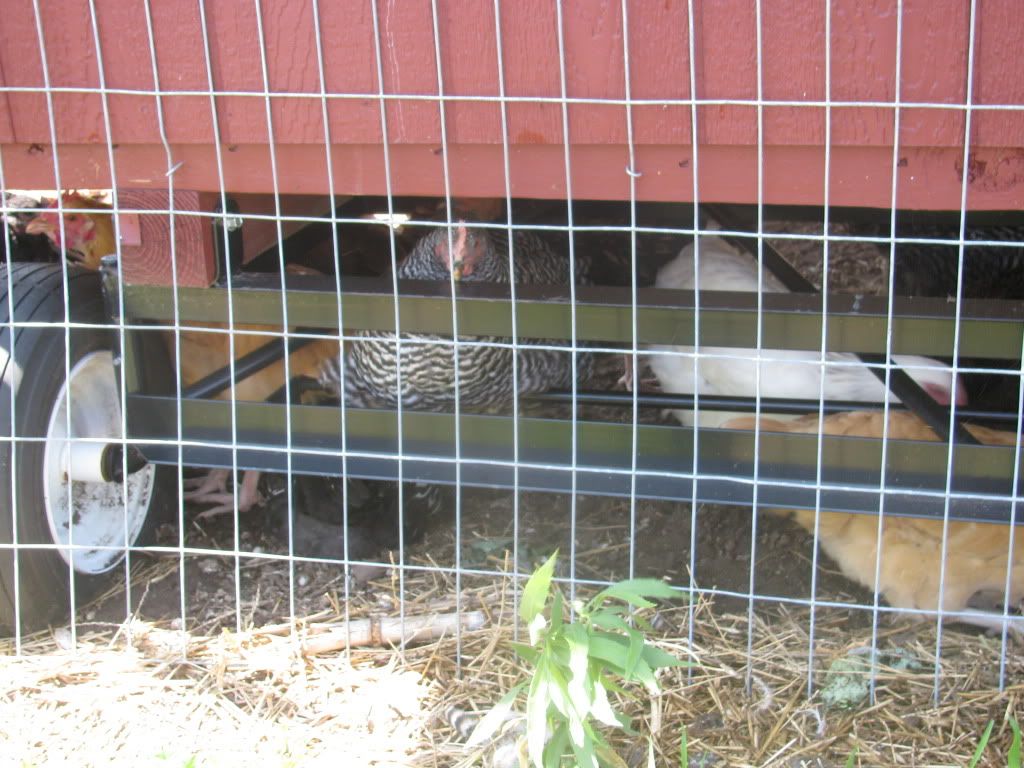
The chickens have the right idea. 

The chickens spend the hot part of the day underneath their coop. 

When it's hot like this, it's best to just stay in the shade! I've been spritzing their run with the hose a couple of times a day and putting ice cubes in their water. They seem to be weathering the heat well. Hopefully by this time next month I'll be getting eggs from my lovely ladies! 
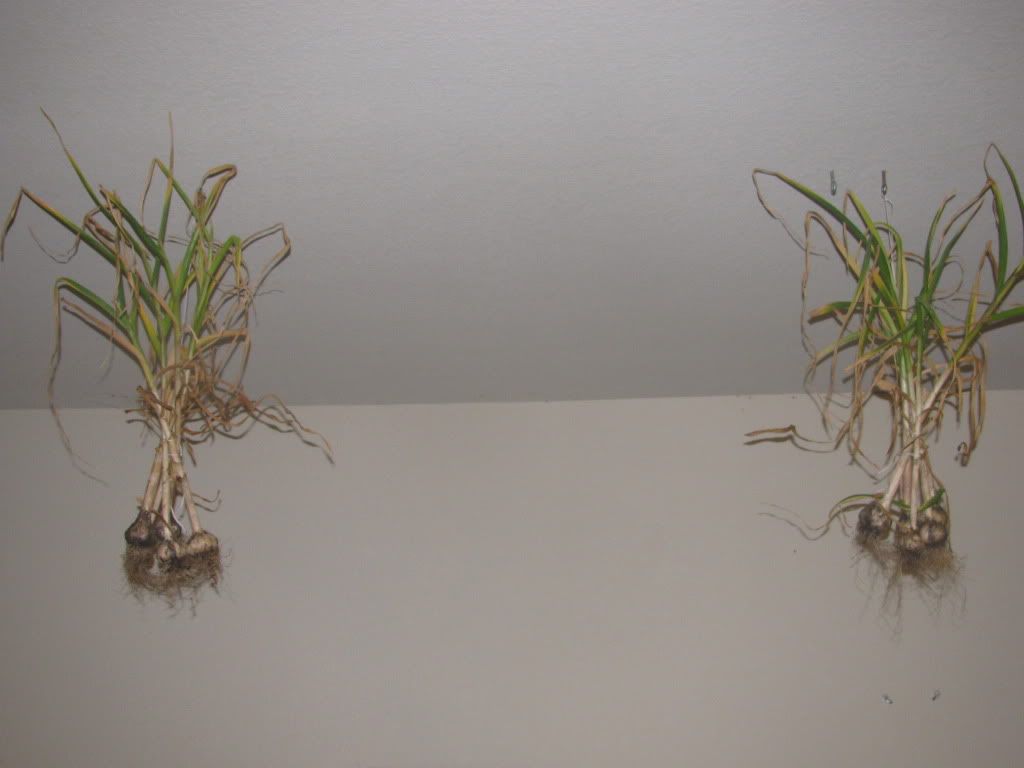

Drying garlic

We harvested around 40 heads of garlic. We gathered them into bunches of five or six heads and have suspended them in our garage to dry for a month or so. Once they are dry, I'll cut them off their stalk - we grew 'Music', a type of hard-neck garlic - and put them into storage. I plan to save our best heads back to use as seed garlic for next year's crop. I am also going to try dehydrating garlic in my Excaliburand grind my own garlic powder.

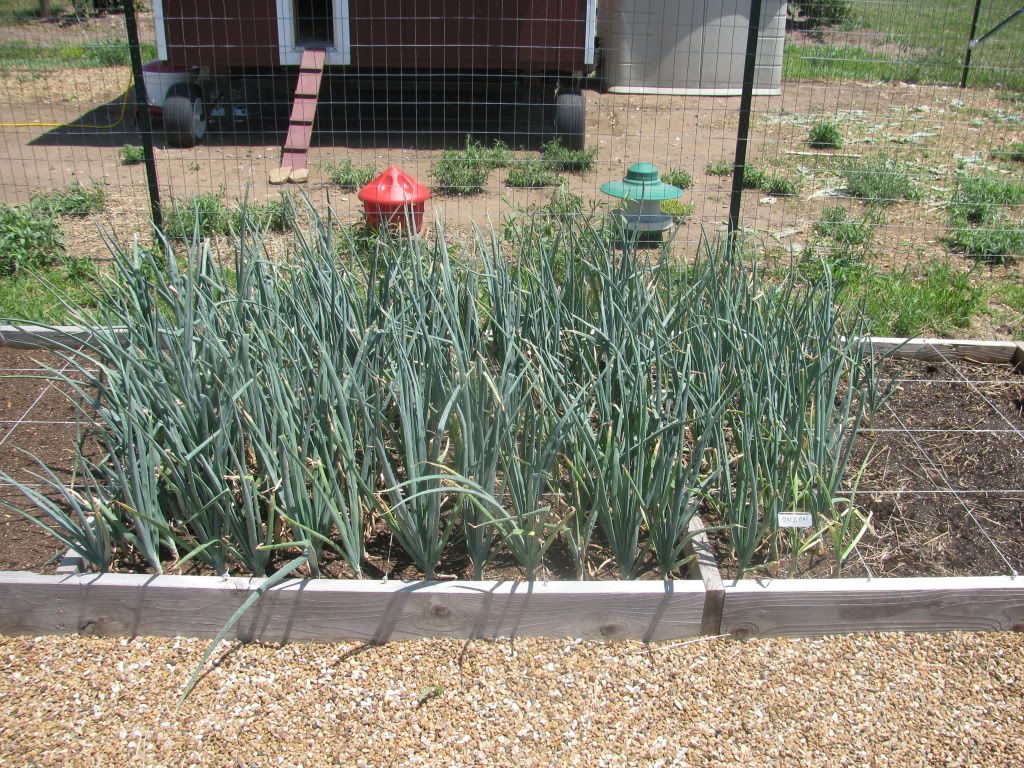
'Copra' onions

The onions are doing well and will probably do even better now that the garlic is gone. Our garlic plants were three feet tall and were shading them.
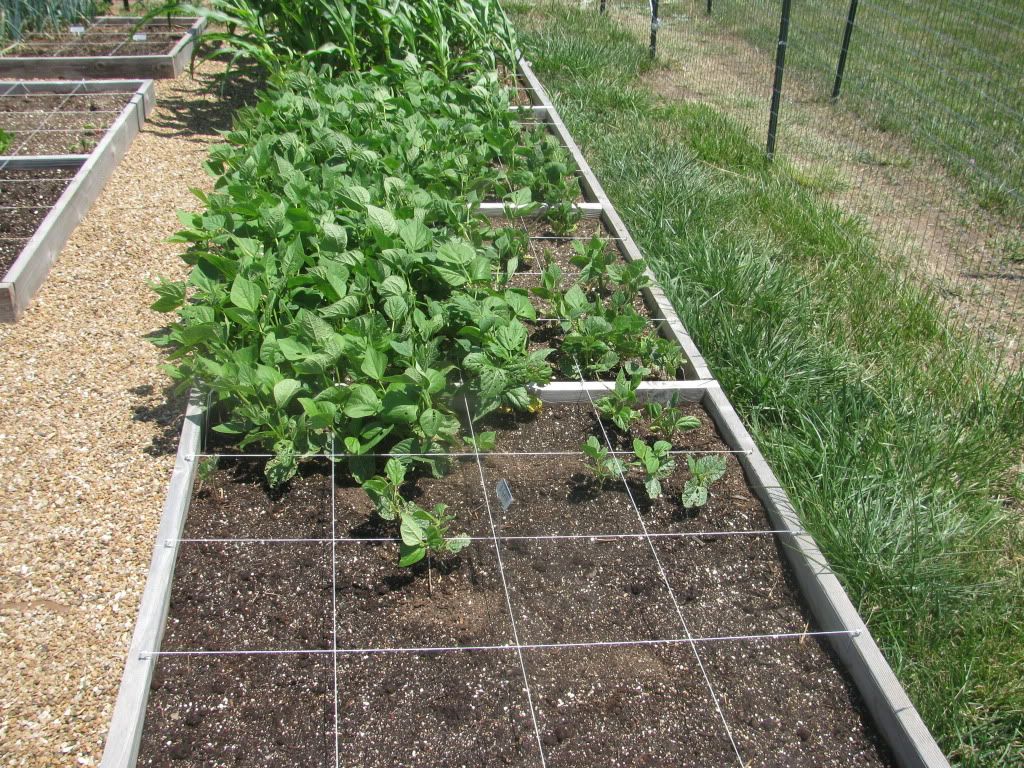

Our green beans had spotty germination

Our green beans had spotty germination, as did our carrots, cucumbers, watermelon, zucchini, and cantaloupe. We replanted the bare spots. We also planted extra vine plants in the space vacated by the peas. We will soon have a riotous mess in those bare areas!
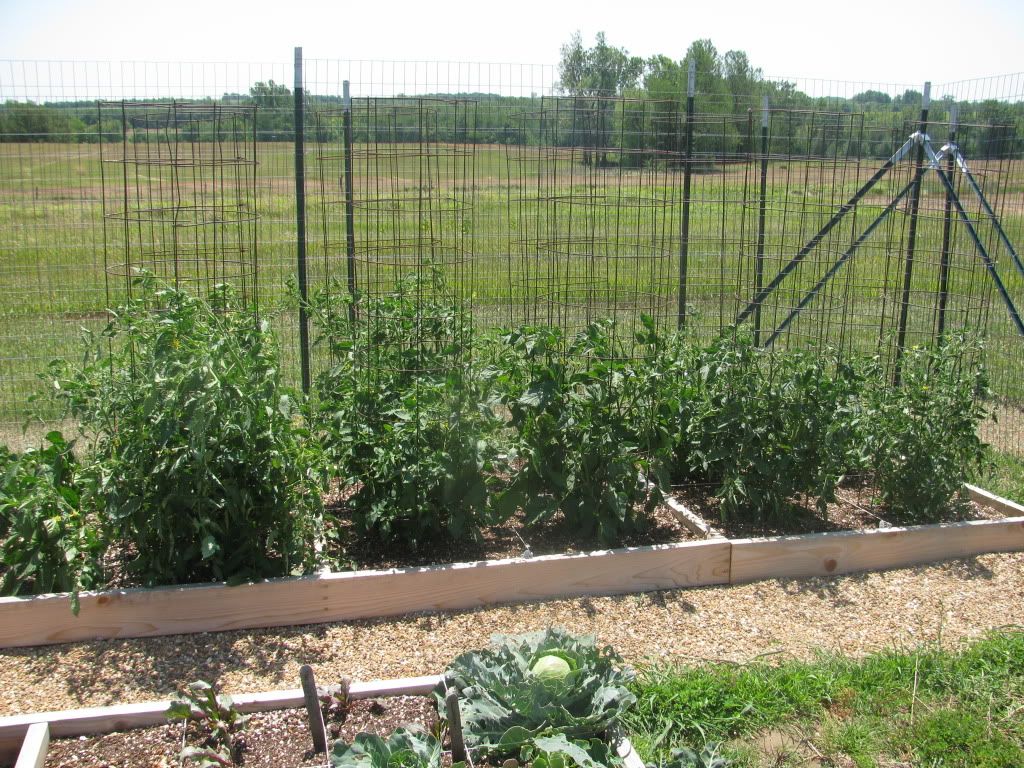

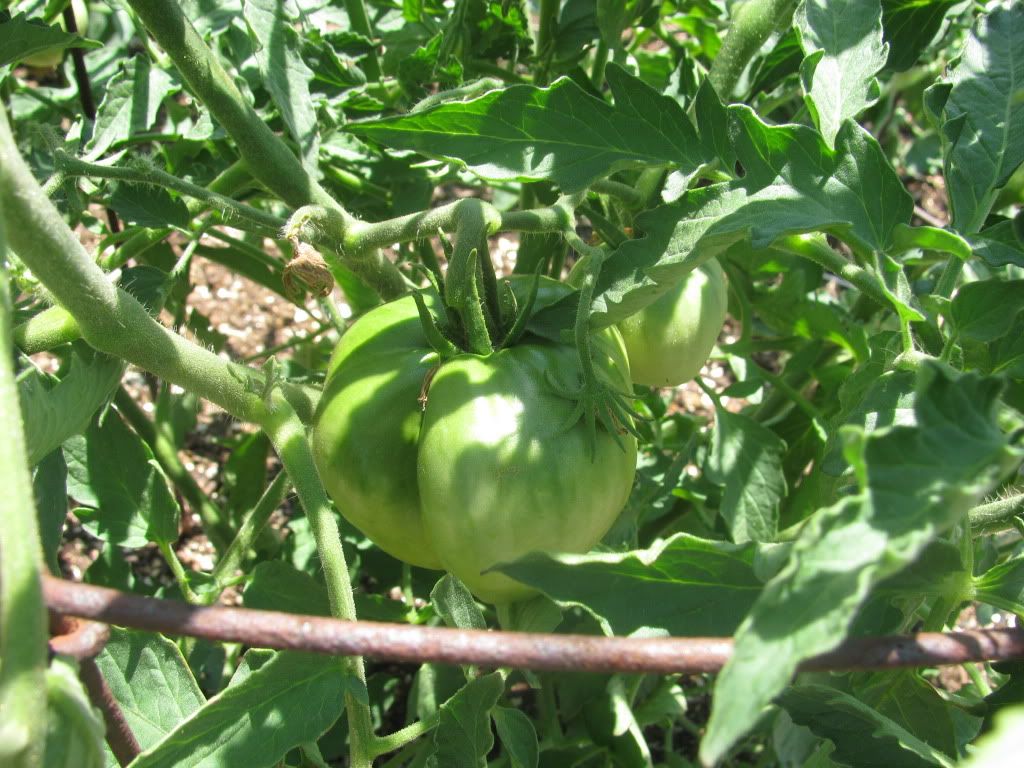
Lots of varieties of heirloom tomatoes


Ripen already!! I can't wait for that first homegrown tomato of 2012.
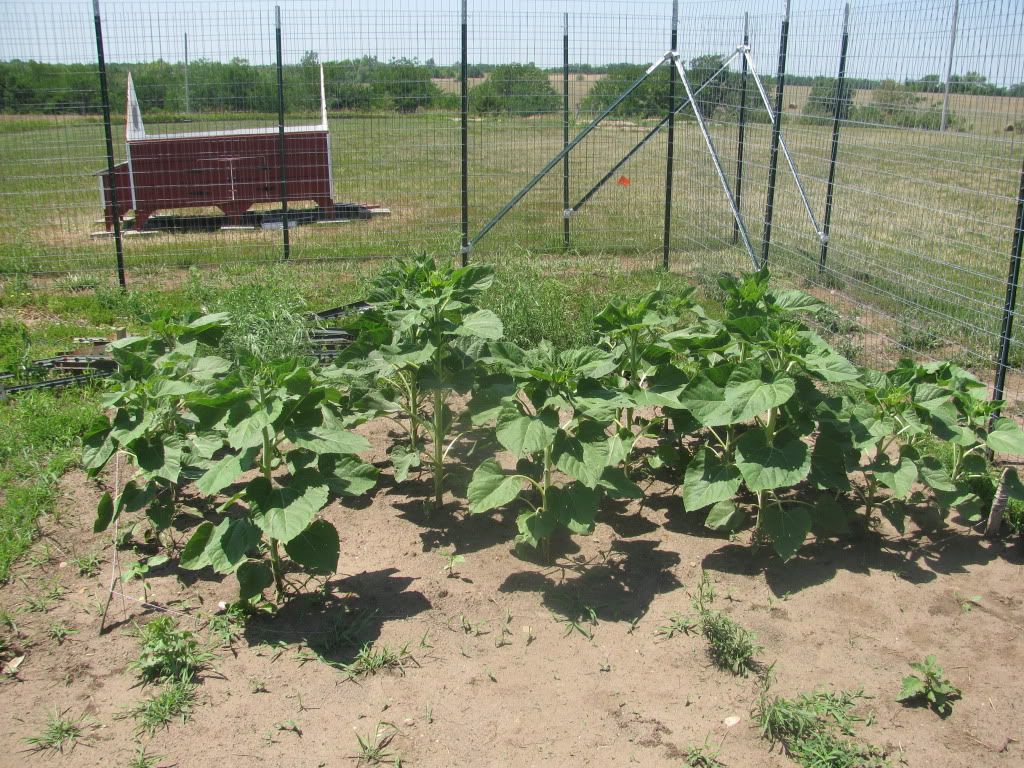


We planted some black oil sunflowers in this open area

We are growing some Peredovik black oil sunflowers for a treat for our chickens.
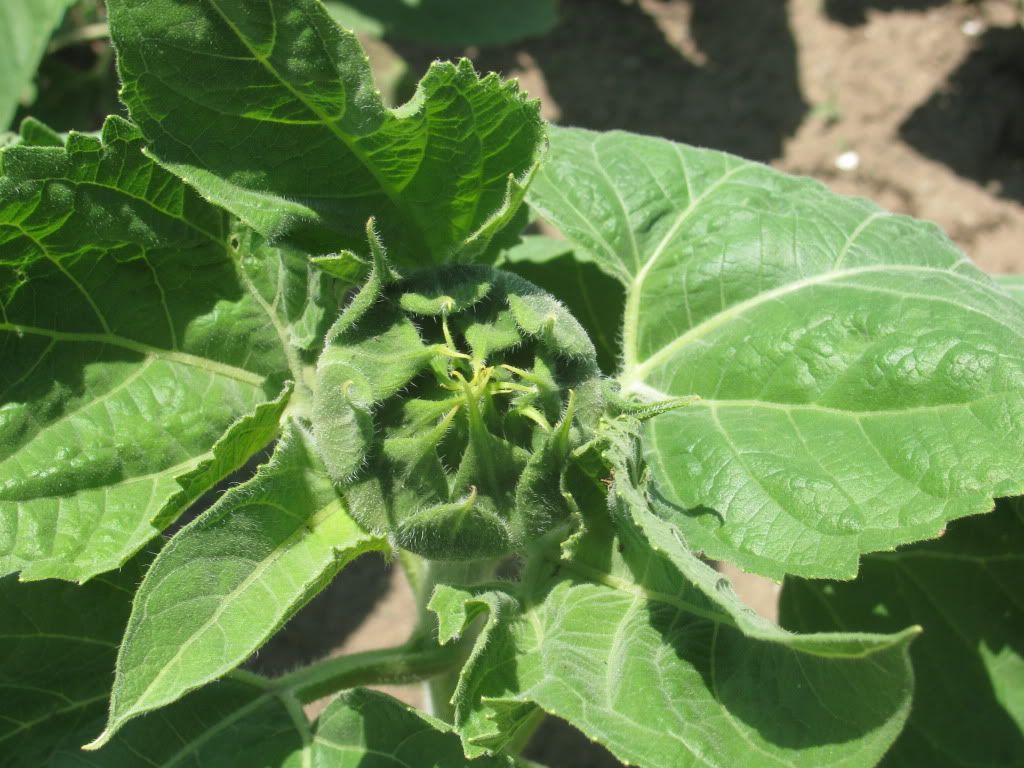

Sunflower bud


The Berries

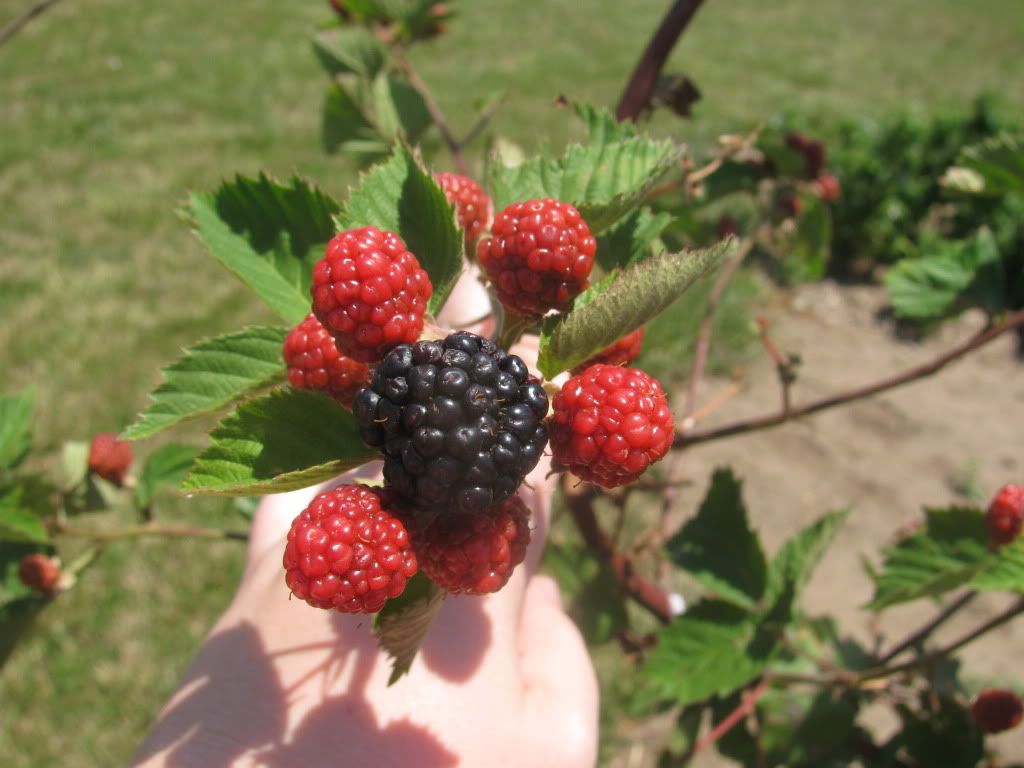
The heat has led the blackberries to begin ripening a full month earlier than last year.
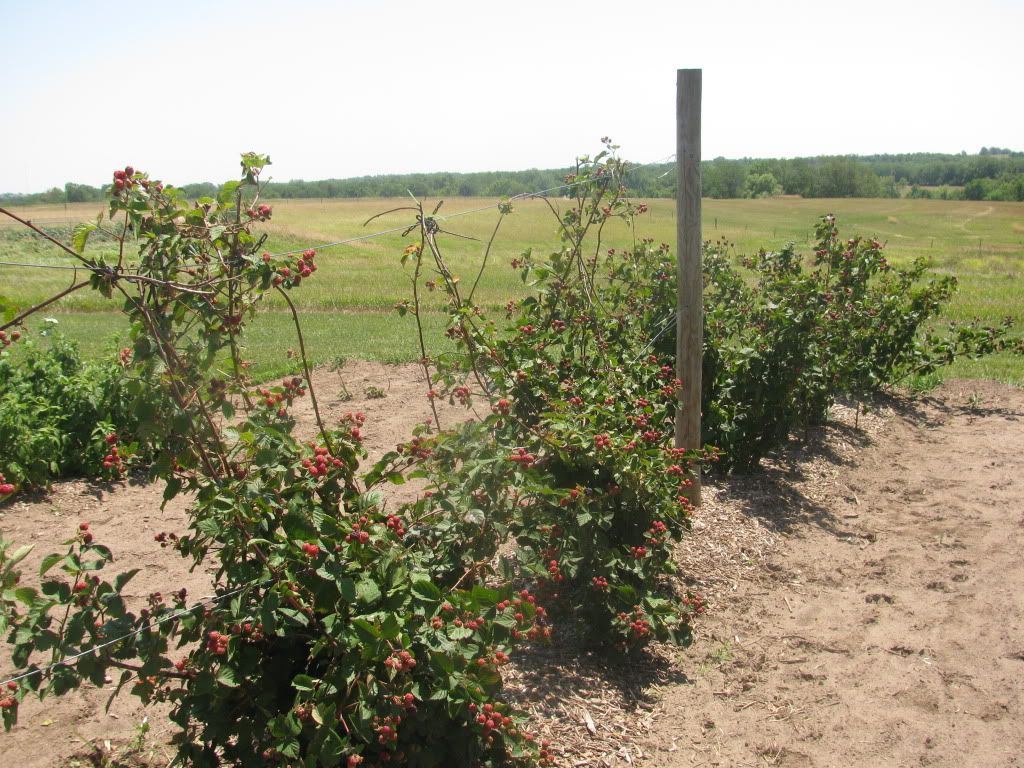


I've only picked enough to eat out of hand, but in the next week or so, we should be harvesting buckets of berries. Time to dig out the canner and make some blackberry jam!
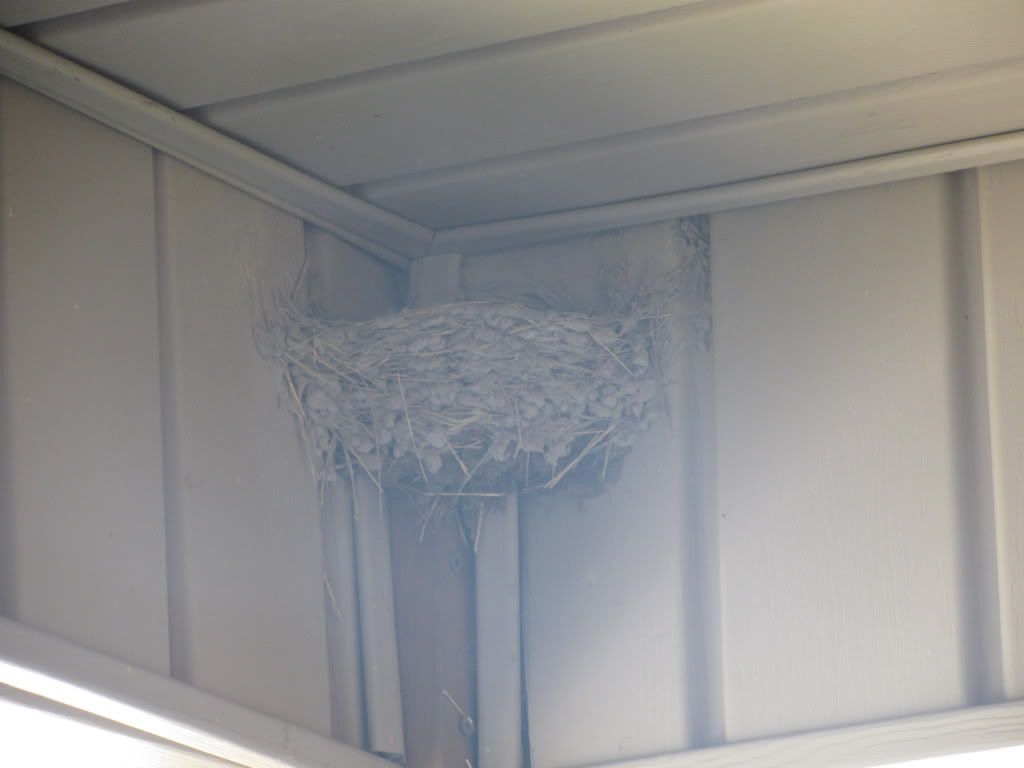


Barn swallow nest

One of the things we are doing to help control the wasps that plagued our blackberries last year is allow barn swallows to nest on our property. We had been knocking down the nests simply because the birds make such a mess on our porches and deck. Barn swallows eat an amazing amount of insects, however, so we are leaving them alone this year. Hopefully this will cut down on the wasps sucking the juice out of my berries!

We're getting a few strawberries from our everbearing plants and little bits of raspberries, too, though our big raspberry harvest will be in September. Or August, the way things are going this year!
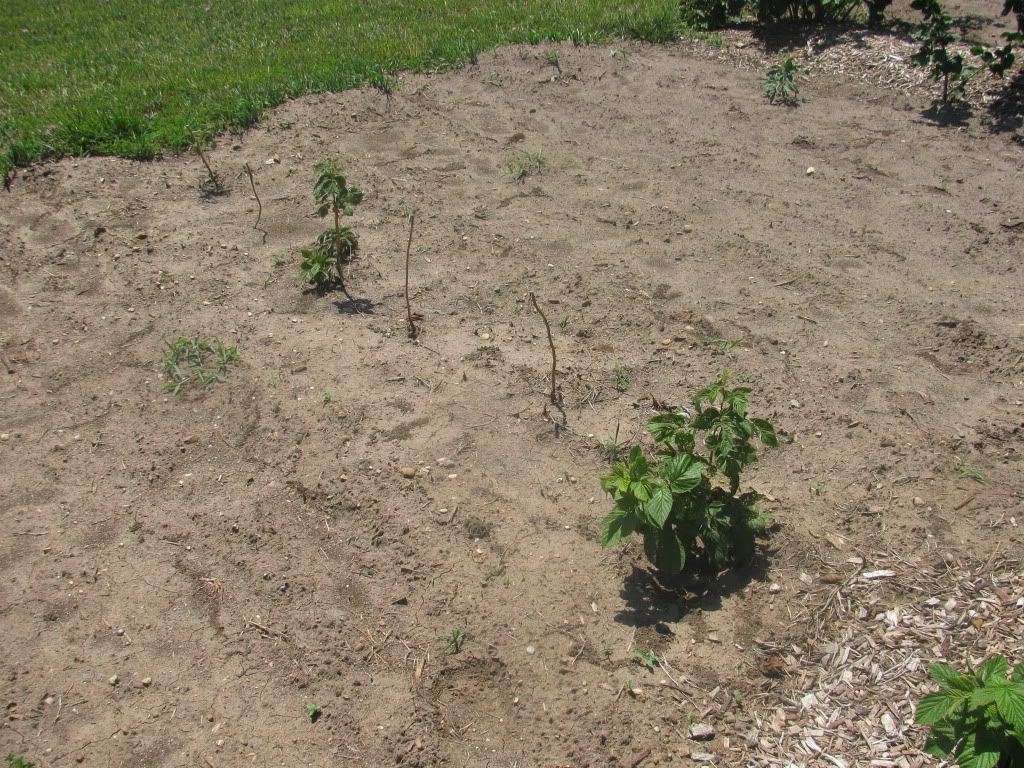
Only about half of the new raspberries appear to have survived

The good news about the raspberry canes we planted this spring is that we have a few survivors. Hopefully they will make it through the heat of summer and we can fill in the row with extra canes from our established raspberries.
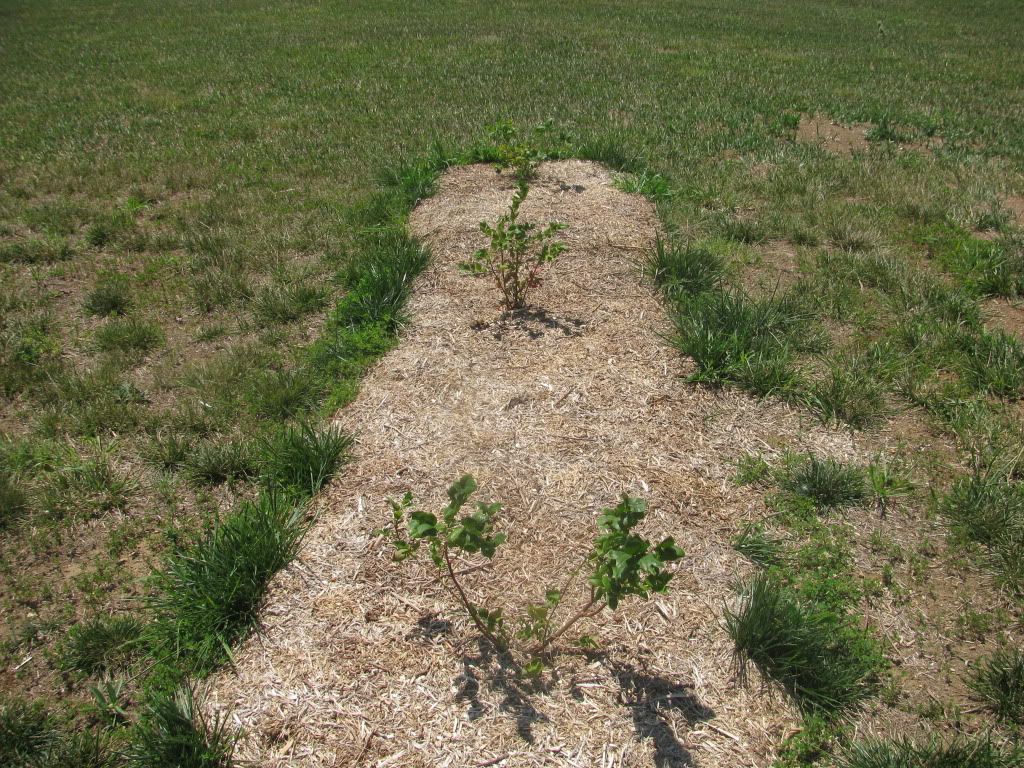

Blueberries going strong

Our blueberry bushes seem to be doing well and they've grown quite a bit. We planted two year old bushes, so hopefully we'll get a crop from them next year.

The Orchard

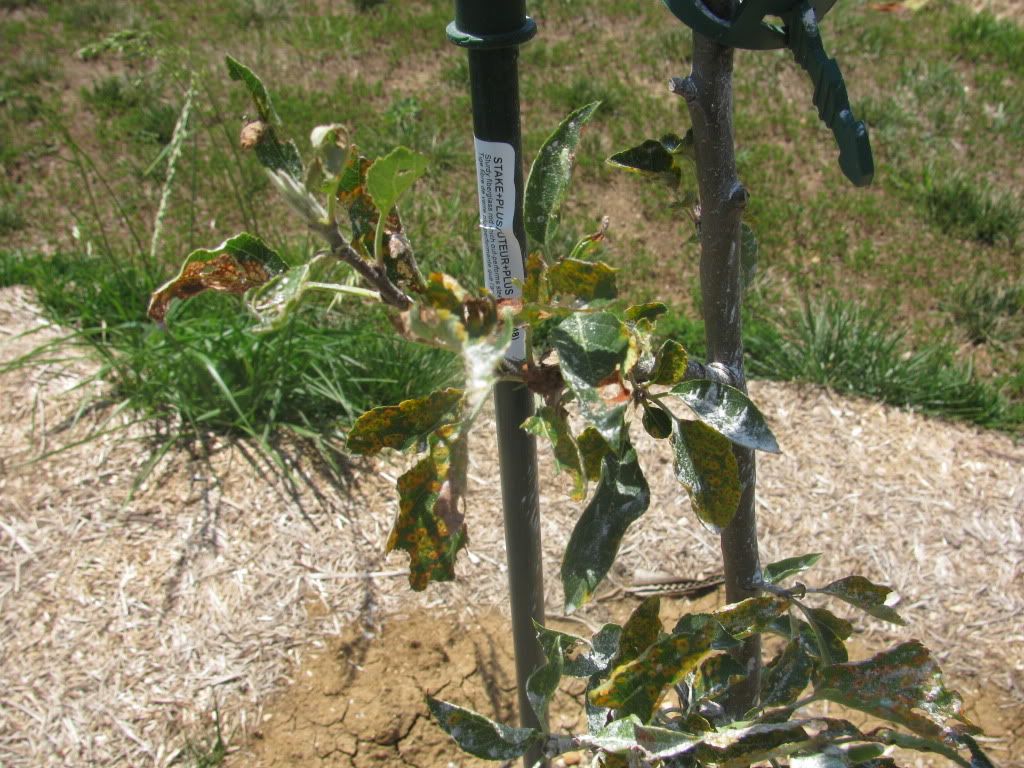
Our little orchard faced some struggles this month. Two of our newly-planted apple trees came down with a bad case of Cedar Apple Rust. 
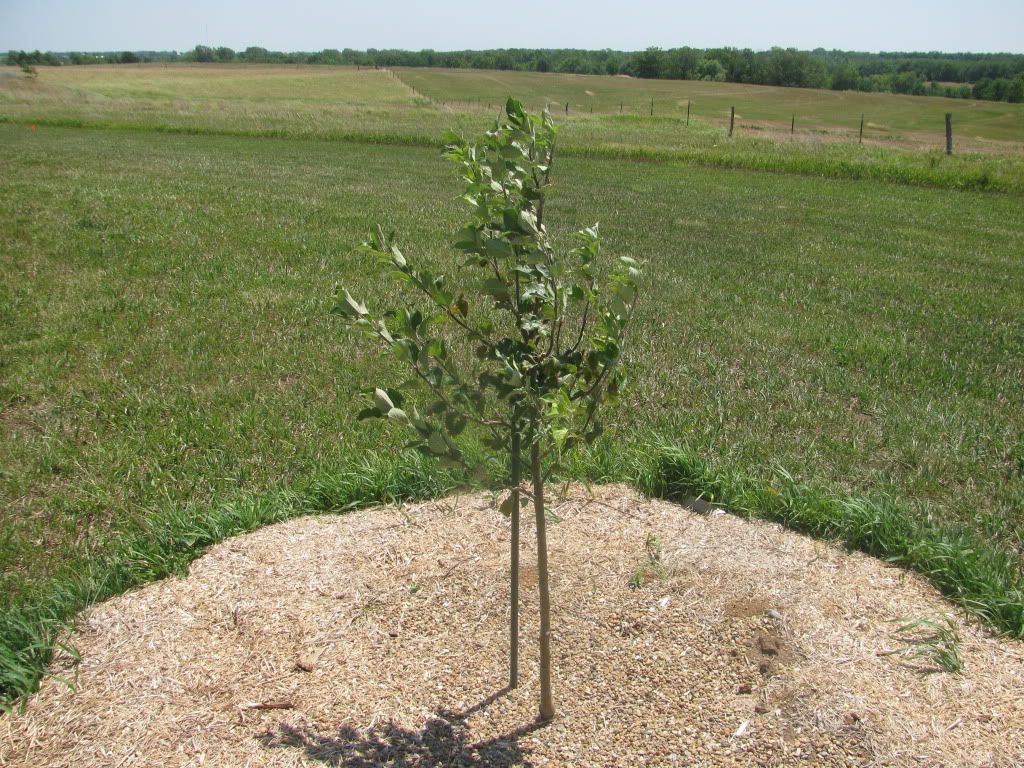
Our Jonafree apple tree has managed to overcome the Cedar Apple Rust 

The GoldRush? Not so much. It's growth is being stunted by its struggle with rust.

I really didn't think we'd have to worry about disease pressures this early! And I didn't think Cedar Apple Rust would be a problem since we don't have any cedar trees on our property.
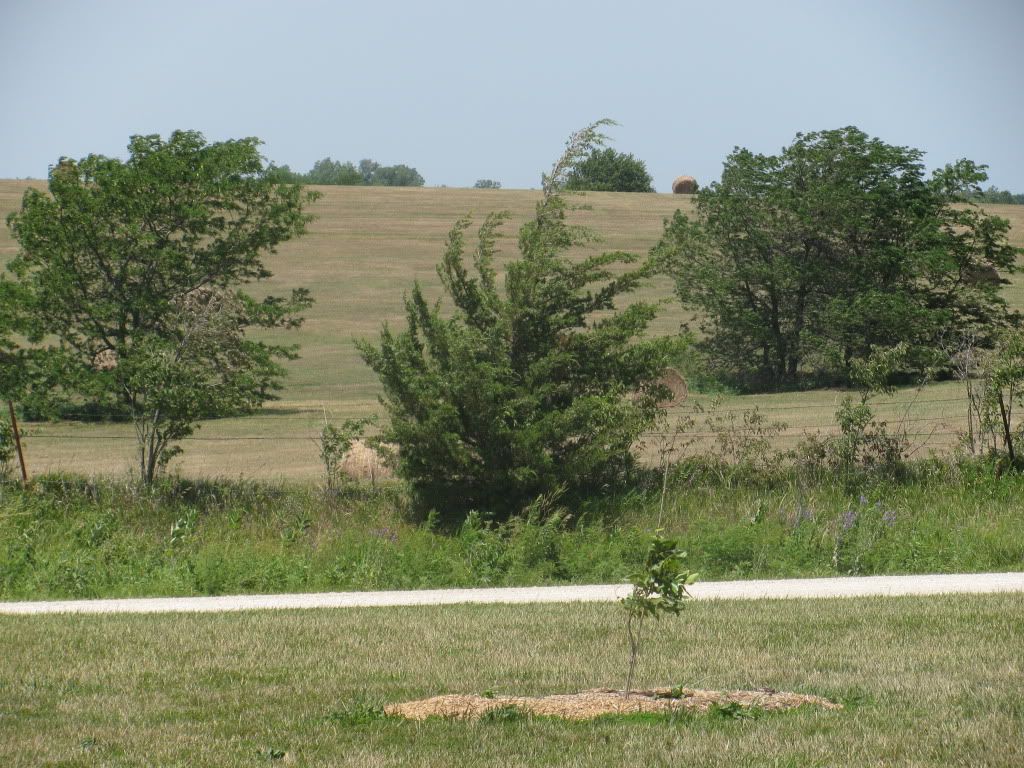

What's that right across the road from our orchard?


Earth to Emily! There are cedar trees right across the road! After I did more research, I found out that to eradicate the chance of Cedar Apple Rust, I'd have to get rid of all the cedar trees within a square MILE of our property. As that's not going to happen, I'm going to have to pay close attention to the weather conditions next spring so I can stay ahead of the rust. In the mean time, I have been using an organic disease control spray that seems to be helping somewhat.
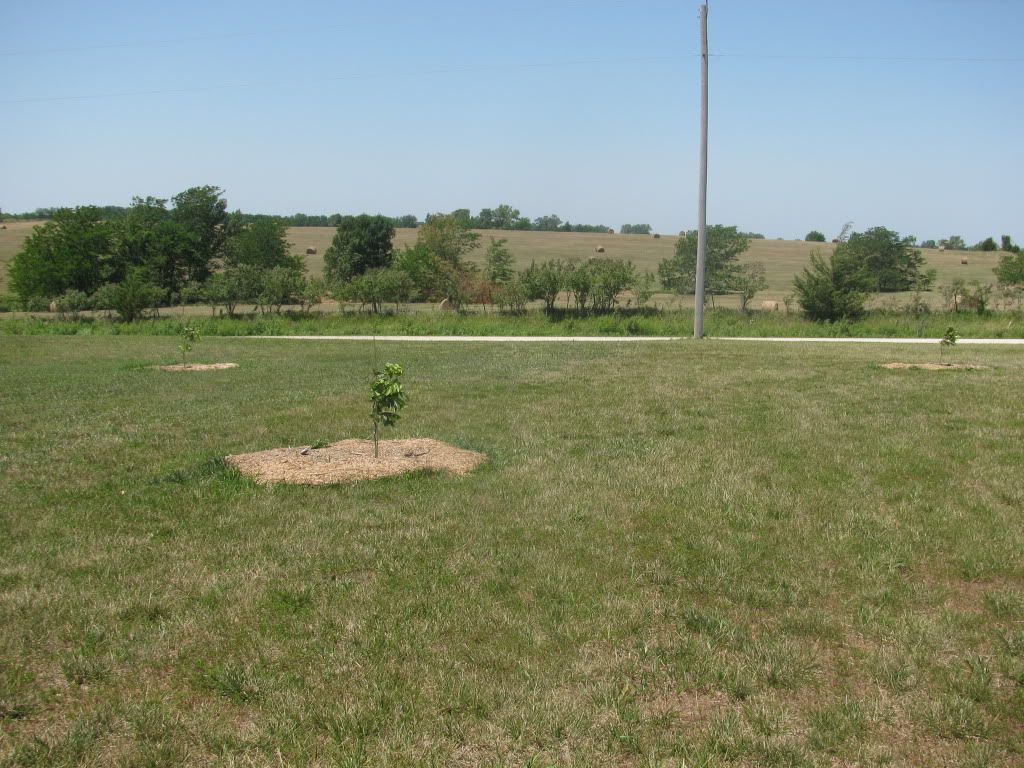
Our pecan trees

Perhaps the most impressive growth has been from our three pecan trees. They might not look so impressive to you, but considering they were mere twigs when we planted them last November, I'm pleased.

Oh, but I'm forgetting the real star of the show, our cherry tree.
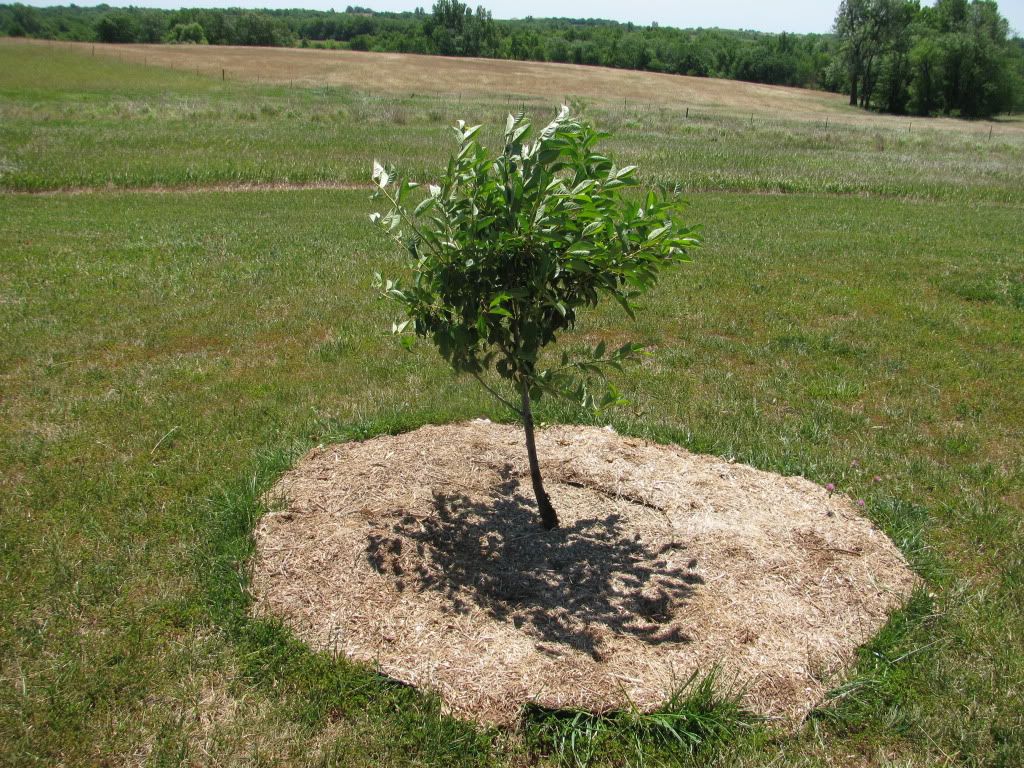
Our not-quite-as-dwarf Montmorency cherry

We got this tree for free four years ago and have pretty much neglected it. This year we have lavished it with care. It got a proper mulching, fertilization, and holistic sprays in the spring. It has responded with enthusiastic growth of nearly two feet!

I also pre-ordered the new additions to our orchard for the fall - two standard-sized pear trees (Starking Delicious and Seckel) and an All-in-One Almond tree. I was really tempted to order a lot more but I remember how hard Hubby Dear and I have to work to bust through our concrete soil. Three trees at a time is probably all we can handle.


Between the garden and my poultry projects, we've been busy. What's growing at your house? 


Wednesday, April 18, 2012

Our Homestead in Pictures, Mid-April Edition


The scent of this Korean Lilac bush is the best thing I have ever smelled 


A neighbor gave a tiny potted lilac bush to me after the tragic death of my sister in a car accident. I planted it the following spring and it has grown to be enormous. Its heavenly scent reminds me that I will indeed see my sister again in Heaven someday. 


Baby cherries


Since I am attempting to nurse the cherry tree to back to health, I did some of the holistic sprays of spring during its bloom. The oils in the spray prevent blossoms from setting so any cherries we get will be especially appreciated. I thought the loss of the cherries was a small price to saving the entire tree. 


"Chester" blackberry blossom

Our "Chester" blackberries are blooming and the "Triple Crown"s are full of buds. I really hope we don't get a frost that will truly nip our blackberry harvest in the bud.


These are the berries that developed from these blossoms

The strawberries are developing quickly. I can't wait to taste that first berry. It is crazy just how much better homegrown strawberries taste than their counterparts from the store.

The strawberry plants we planted last month all appear to have survived. You can see them in the photo below (right side of the pic). They are all growing and some have even tried to put out flowers. We pinch them off since the baby plants need to focus on growth.


A shot of the north half of the garden

Compare this photo to the one taken  of the same view just two weeks earlier. Massive growth.


"GoldRush" apple tree in foreground, "Enterprise" in rear. The orange flag marks
the spot for our row of blueberries.

All of the apple trees are leafing out. I guess that sunny and windy day we planted them on didn't harm them too much. You can see that we put down some mulch around the trees. We used a particular kind of mulch and did it in a specific way. I know that sounds cryptic and I'll hopefully be able to post about it soon. I have to get my blueberries planted first, though.


Fishing line and bird scare tape will hopefully deter hawks

Our chicks are now five weeks old and are full-fledged little chickens. It is time to start giving them excursions into the great outdoors. First, however, we needed to do something to deter birds of prey. I often see hawks flying above our homestead and I do not want my chickens to become casualties. The chicken moat is supposed to be narrow enough that hawks won't want to risk snagging a chicken there. The main run, on the other hand, is a different story. Hubby Dear and I strung 50 lb. test fishing line back and forth over the run. Then I attached strips of bird scare tape to flap and flash in the sunlight.


This Salmon Faverolle is curious but cautious


The chickens themselves are a bit suspicious of this whole outside business. I suppose that's only natural since they have always been confined in one way or another. If we want them to go outside, it involves catching all the chickens and chucking them out the door. You don't even want to imagine what it takes to get them all back IN the coop after their outing. 

Chicken taming is a work in progress, that's for sure.  

Monday, April 2, 2012

March 2012 in Review, Part III: A Whole Lot of Gardening

With the late Spring/early Summer-type weather we've been having, everything is about a month ahead of schedule. Our daffodils and forsythia have come and gone. The grass is lush and green and we've been working outside everyday. Here's what's going on in the garden. 

March Orchard Improvements

Our pitiful little cherry tree is finally getting some TLC

One of my goals this year is to make major strides towards establishing a survival orchard. I thought I should probably try and do something for this cherry tree I got for free four years ago before I start spending money on new trees! I pulled all the grass and weeds from around it in a 2' diameter. Then I bought some organic fruit tree fertilizer and gave it a generous serving. I'm pretty sure this is the first time I have ever fertilized this tree. Gee, I wonder why it is still 3 feet tall? ;) 

I learned from my orchard bible, The Holistic Orchard: Tree Fruits and Berries the Biological Way,that putting mulch right up against a fruit tree is a bad idea. It holds too much moisture against the trunk and is prime habitat for rodents that munch on bark. It is also a bad idea to lay down a circle of weed cloth underneath wood mulch or stone. Weed cloth creates an environment that favors bacteria at the expense of the fungi that are key to tree health. So, yes, I did that wrong when I planted my pecan trees last fall! It is better to put a thick layer of pea stone down and then mulch in a wider circle around that. Much more about mulch this month. (Hehe)

Spritzing and Spraying

I've spent a significant amount of my prepping budget over the last couple of  months on equipment and spray ingredients recommended in The Holistic Orchard for our fruit trees and berry bushes. The sprays aren't toxic pesticides or chemical fertilizers but are aimed at improving the overall health of the plants. It's all about helping the plant's own immune system fight off potential pathogens and insect pressure. Does this sound a bit New Age-y or otherwise weird? It's not, I promise! Read this for a bit more explanation.  


Solo 4 Gallon Backpack Sprayer
The weather has accelerated the spraying timetable so I've already sprayed two of four total spring sprays. I loaded up my nifty new backpack sprayer with a pungent concoction of water, neem oil, liquid fish, liquid kelp, effective microbes, and blackstrap molasses and slid on the 40+ lb contraption. It felt like a stubborn, smelly toddler was clinging to my back as I staggered across our homestead, spraying our cherry and pecan trees as well as the blackberry and raspberry bushes. Luckily, I'm used to stubborn, smelly toddlers so this was a breeze! 


Raspberries in the foreground, blackberries in the middle. Hopefully the holistic sprays will encourage bountiful harvests. 

Composting

We set up a compost bin primarily for chicken and rabbit waste. The majority of our food waste will be consumed by the chickens as they get older and we plan to use many of our spent garden plants as mulch in the chicken run.  


The bin is close to the coop and to the garden. 


When we were deciding where to set up the compost bin, we debated putting it somewhere that would be a bit out of the way but wouldn't be visible from the house. But then we remembered that our giant chicken run isn't exactly discreet! The compost bin is practically invisible in comparison.  

I'm looking forward to reducing the number of bags of compost we'll have to buy in the future for our garden endeavors. 

The Vegetable Garden

Hardly a day goes by when we're not planting something.


We planted onion transplants this year rather than trying to grow them from seed. 

Growing onions from transplants instead of seed seems like cheating, but maybe we'll actually get some good sized onions this year.


"Music" variety garlic

The garlic we planted last fall all sprouted and is doing great.


"Encore" lettuce mix and "Corvair" spinach

The first of many boxes of salad greens have sprouted. 


My usually June-bearing strawberries are in bloom

Last year's strawberries are blooming. In addition, we planted 75 new plants.


Peas! We outsmarted the mice this year

Hubby Dear's relentless trapping of mice in our garden has resulted in many more seeds surviving long enough to sprout. Yippee for peas!


I love our garden 

If you've been following my garden adventures, you might notice that we switched out the wooden lattice-style square foot grids for ones made of twine. We decided that the wooden grids simply take up too much room and make weeding and planting difficult. Hubby Dear installed metal screw eyes to the sides of the boxes and ran the twine through. We are much happier with the result.

Seed Starting Results

The seeds we planted in the little Jiffy Pot greenhouse took off rapidly. We're now in the process of hardening off the seedlings. 


Rosemary I overwintered indoors, the seedlings, and one of our new blueberry bushes


The sunflowers aren't enjoying the process very much and everything else is pretty leggy and windblown, but we may end up with a few successful transplants. We hedged our bets by directly sowing the same seeds in the garden and we'll keep whichever are the best looking plants in the whole lot. 

------

The beat goes on in April. More planting, hopefully we'll start harvesting! Coming soon: planting apple trees and blueberries.


Have you started your garden yet? What's growing at your house?

Sunday, February 27, 2011

Late Winter Pruning

I appreciate the responses I've gotten so far about your favorite can openers. Keep them coming! It seems like everybody has a different favorite.
--------------------------------

Before Hubby Dear and I even closed on the property I call the Harried Homemaker Acres, we started planning an orchard. It was going to be a large orchard because we were going to own five whole acres, which seemed like a lot to us at the time. Now, of course, I wish we had more like 20 acres. We got a bunch of catalogs and selected all the different kinds of fruit and nut trees that we were going to plant. Of course we were going to have at least two trees of every species that will grow in our climate! We made a scale drawing of our acreage and planned the location for each tree, allowing for ideal cross-pollination, protection from frost, and shelter from winds.

The reality? Nearly four years later, we have a grand total of one fruit tree and a handful of berry bushes. Our harvests have been scant to none, and it is mostly our own fault.

Granted, I have popped out a couple more babies and Hubby Dear's work schedule is more hectic than either one of us would have imagined four years ago. The major problem, however, is that we have been guilty of the crime of not-so-benign neglect when it comes to garden matters.

We're turning over a new leaf in 2011 and today we did a very important garden chore - pruning.

Why do you prune fruit trees?

According to the North Carolina Extension Service:
  1. If you shape your tree to develop a strong structure, it will prevent breakage due to wind or a heavy fruit crop.
  2. You'll remove dead, diseased, or otherwise poor quality growth, improving the overall health of your tree.
  3. You can shape the tree to insure that light can get to the center of the tree. More light = more fruit!
  4. All this pruning will keep air flow moving throughout the tree, discouraging diseases that thrive in moist conditions.
In other words, pruning will give you better quality of fruit and even cause your tree to bear earlier and live longer. As long as you do not remove more than 1/2 of the tree's branches in one year, you really cannot prune too much.

What tools do you need to prune?

Depending on the size of the tree you're pruning you may need any or all of the following:
  • Secateurs- Hand-held, scissor-like pruners for small branches and twigs
  • Loppers - For thicker branches, say 1/4 to 1/2" diameter
  • Pruning Saw - For the thickest branches
  • A ladder if your tree is tall.
Most pruning should take place in late winter or early spring while the tree is still dormant, which is why Hubby Dear were working outside while it looked like this:

Fog enveloping the hills

Our first victim subject was our dwarf Montmorency sour cherry tree. We got it as a freebie when we ordered our blackberries and raspberries back in 2007. Honestly, I never expected it to live. We did pretty much everything wrong when we planted it and I thought the combination of our own ineptitude and clay soil would do it in. Despite the odds, it has survived.

"Before" Cherry Tree

Before we began, we read a few of the references we have on hand. I recommend The Backyard Orchardistby Stella Otto as a good starting place if you're new to fruit trees. You should also do an online search for your state's extension service. Ours has a host of PDF files available with information tailored for the varieties that thrive in our state's climate. We've printed off hundreds of pages on crops we grow or will likely grow and I store them behind the "gardening" tab of my preparedness binder.

Our goals in shaping this particular tree was to:
  1. Define a central leader - a central branch from which the other branches grow off. Trees like apple, cherry, plum, pear, and apricot generally are pruned using the central leader method. Others, such as peach, use another method called open center, which is just like it sounds.
  2. Define scaffold branches. These are the smaller branches that grow off the central leader. You want them to be distributed on both sides of the tree and be spaced well apart.
  3. Remove any branches that cross or rub against each other.
  4. Remove anything dead.
Here's the "After":

"After" Cherry tree

Hopefully, the tree will appreciate the TLC and produce a bountiful crop of cherries. Ideally, the angle between the scaffolds and the central leader should be between 60 and 80 degrees. We need to think about using elastic or limb spreaders to achieve this.

Blackberries

Small fruits like raspberries (depending on the variety) and blackberries also benefit from some winter pruning. We currently grow two types of thornless blackberries: Chester, a semi-erect (bushy) variety and Triple Crown, a trailing (requires trellising) variety. All the pruning for trailing blackberries is done after harvest time in late summer/early fall, but we needed to work on the Chesters.

Here's the Chesters "before":


"Before" Blackberries with our square foot garden in the background

We thinned out the extra canes and cut back the lateral growth. Much like the cherry tree, our berries have suffered from neglect and having to compete with weeds.

Here's the "after":

"After" blackberries

If you have fruit in your garden, be better than me and don't wait three or four years to begin to be a good steward. If you're thinking of planting an orchard or berries, keep in mind that it's not all pie and jam. There is a fair bit of maintainence that is required. But think of the rewards!

Hubby Dear and I have made a commitment to make our garden a priority this year. If all goes well, we'll unearth that fabulous orchard plan and get to planting in 2012.